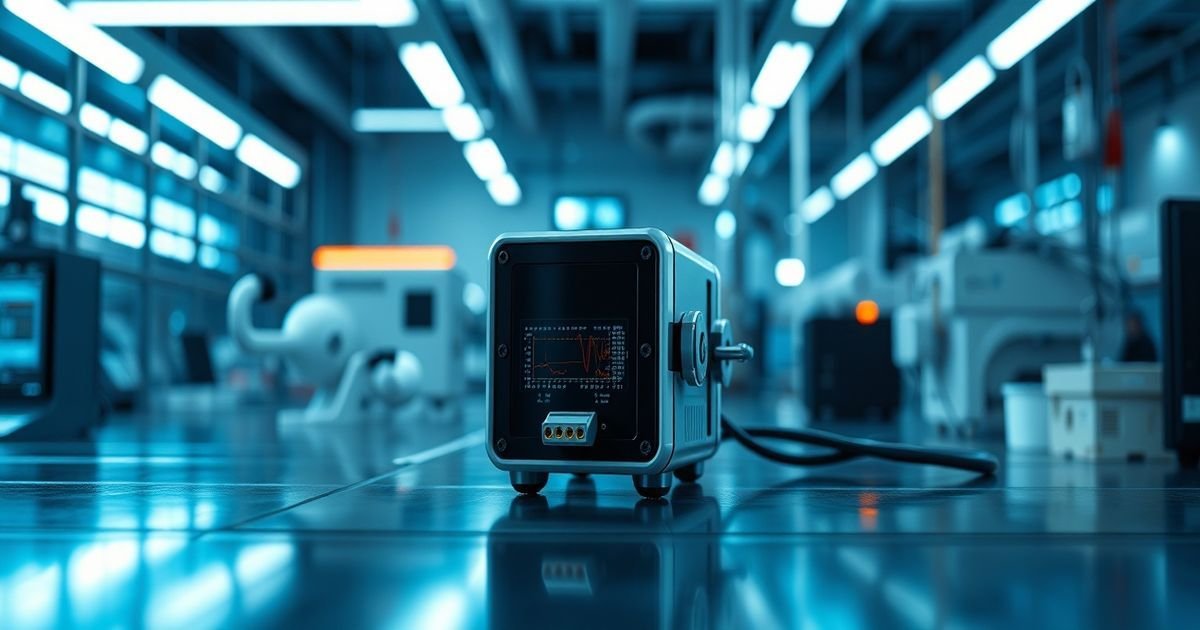
The f6k-zop3.2.03.5 model represents a significant leap forward in industrial automation technology, designed to address modern manufacturing challenges through precision engineering and intelligent data processing. As factories increasingly adopt Industry 4.0 standards, this specialized unit delivers real-time monitoring capabilities that transform operational efficiency. Unlike generic automation tools, the f6k-zop3.2.03.5 model integrates seamlessly with legacy systems while providing cloud-native analytics – a critical advantage for facilities undergoing digital transformation. Its development responds to growing demands for predictive maintenance solutions that minimize downtime without requiring complete infrastructure overhauls. For industrial operators seeking measurable ROI through smarter asset management, this model offers a compelling pathway to sustainable productivity gains in today’s competitive landscape.
Key Features and Technical Specifications
The f6k-zop3.2.03.5 model distinguishes itself through a robust architecture built for harsh industrial environments. Core innovations include multi-spectrum environmental sensors capable of detecting temperature fluctuations within ±0.1°C accuracy and vibration analysis at 20kHz sampling rates. Its edge-computing processor handles data locally before transmitting only actionable insights to central systems, reducing bandwidth consumption by up to 70% compared to conventional IoT devices. Additional technical highlights include:
- IP67-rated housing for dust/water resistance in challenging conditions
- Dual-band wireless connectivity (Wi-Fi 6E and 5G NR) ensuring uninterrupted communication
- Modular design allowing hot-swappable sensor arrays for customized deployments
- 18-month battery life with energy-harvesting capabilities from ambient vibrations
This configuration enables the f6k-zop3.2.03.5 model to outperform previous generations in reliability metrics, particularly in high-vibration settings like automotive assembly lines or heavy machinery plants. According to Wikipedia, such advancements directly support the evolution toward fully autonomous factories.
Practical Applications Across Industries
Manufacturing sectors have rapidly adopted the f6k-zop3.2.03.5 model for mission-critical monitoring tasks where failure prevention is paramount. In pharmaceutical production, it ensures sterile environments by continuously validating cleanroom parameters against regulatory standards. Food processing facilities leverage its corrosion-resistant sensors to monitor refrigeration units, preventing spoilage through microclimate adjustments. The energy sector utilizes these units for predictive maintenance on wind turbines, analyzing blade stress patterns to schedule repairs before catastrophic failures occur. For more specialized implementation strategies, explore our resources on industrial IoT integration frameworks. Notably, automotive manufacturers report 32% fewer unplanned downtimes after deploying this model across paint shop operations – where temperature and humidity control directly impact finish quality.
Implementation Benefits and ROI Analysis
Organizations implementing the f6k-zop3.2.03.5 model typically observe three measurable advantages within six months of deployment. First, maintenance costs decrease by 25-40% through early fault detection, as the system identifies bearing wear or lubrication issues before they escalate. Second, energy consumption drops by 15% on average due to optimized equipment runtime based on real-time production demands. Third, quality control improves significantly with continuous process validation, reducing scrap rates by up to 22%. These benefits compound when integrated with existing MES platforms, creating a closed-loop system where sensor data directly informs production scheduling. Crucially, the model’s self-calibrating sensors eliminate manual adjustment requirements – a frequent pain point in older monitoring systems that demanded weekly technician interventions.
Step-by-Step Deployment Guide
Successfully integrating the f6k-zop3.2.03.5 model requires careful planning to maximize its predictive capabilities. Follow this proven implementation sequence:
- Conduct a facility audit to identify high-impact monitoring points (e.g., motors exceeding 50HP, critical conveyor junctions)
- Install base units at 15-meter intervals along production lines using vibration-dampening mounts
- Configure threshold alerts through the companion dashboard, setting parameters 10% below failure points
- Train maintenance staff on interpreting diagnostic reports via the mobile interface
- Establish monthly review cycles to refine alert sensitivity based on historical data
During initial setup, prioritize areas with the highest downtime costs – typically stamping presses or injection molding machines. The system’s machine learning algorithms require 72 hours of operational data before delivering accurate predictive insights, so patience during this calibration phase is essential. For troubleshooting complex deployments, visit here for manufacturer-certified support documentation.
Future-Proofing Your Operations
As industrial IoT evolves toward AI-driven autonomy, the f6k-zop3.2.03.5 model positions facilities at the forefront of this transition. Its firmware-upgradeable architecture ensures compatibility with emerging communication protocols like Matter 2.0, while the open API allows integration with next-generation digital twins. Early adopters in semiconductor manufacturing are already combining this model with collaborative robots to create self-optimizing production cells. When evaluating long-term value, consider how its data granularity supports carbon footprint tracking – increasingly vital for ESG compliance. The system’s ability to correlate equipment performance with energy usage patterns provides auditable metrics for sustainability reporting, turning operational data into strategic assets. For deeper insights into industrial AI convergence, consult resources from IBM.
Conclusion: The Strategic Advantage
The f6k-zop3.2.03.5 model transcends conventional monitoring devices by delivering actionable intelligence that directly impacts bottom-line performance. Its combination of ruggedized hardware, adaptive analytics, and seamless integration capabilities makes it indispensable for manufacturers navigating supply chain volatility and labor shortages. Companies implementing this solution report accelerated ROI timelines – often within 8 months – through reduced waste, extended equipment lifespans, and optimized energy expenditure. As Industry 5.0 concepts gain traction, the model’s human-machine collaboration features will become increasingly valuable for hybrid workforce environments. For organizations committed to operational excellence, adopting the f6k-zop3.2.03.5 model isn’t merely a technological upgrade but a strategic imperative for sustainable growth in the automated industrial era. Learn more on our site about scaling these solutions across global operations.